CS
CS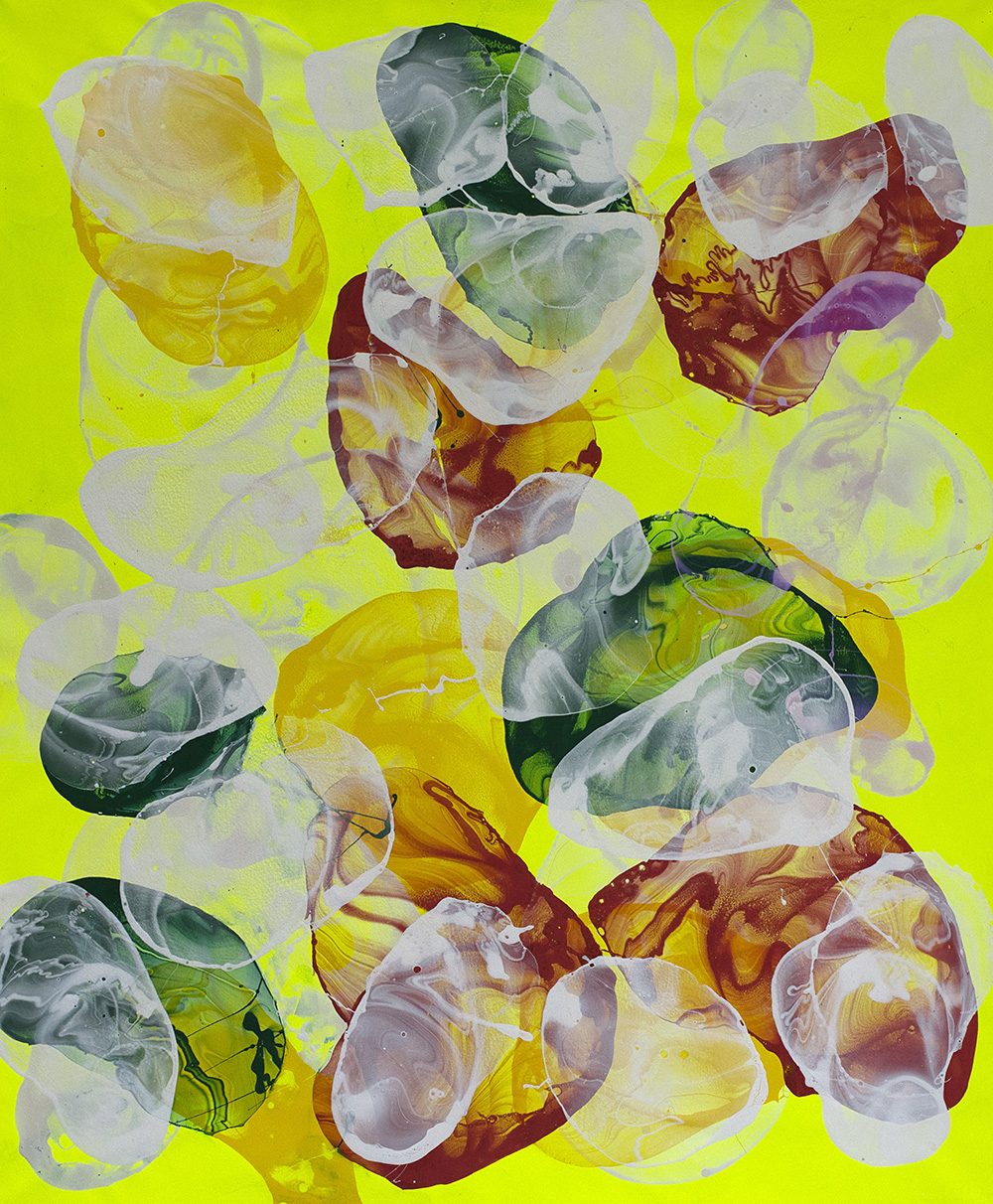
A catalogue was published for the exhibition – Katalog 08-2026
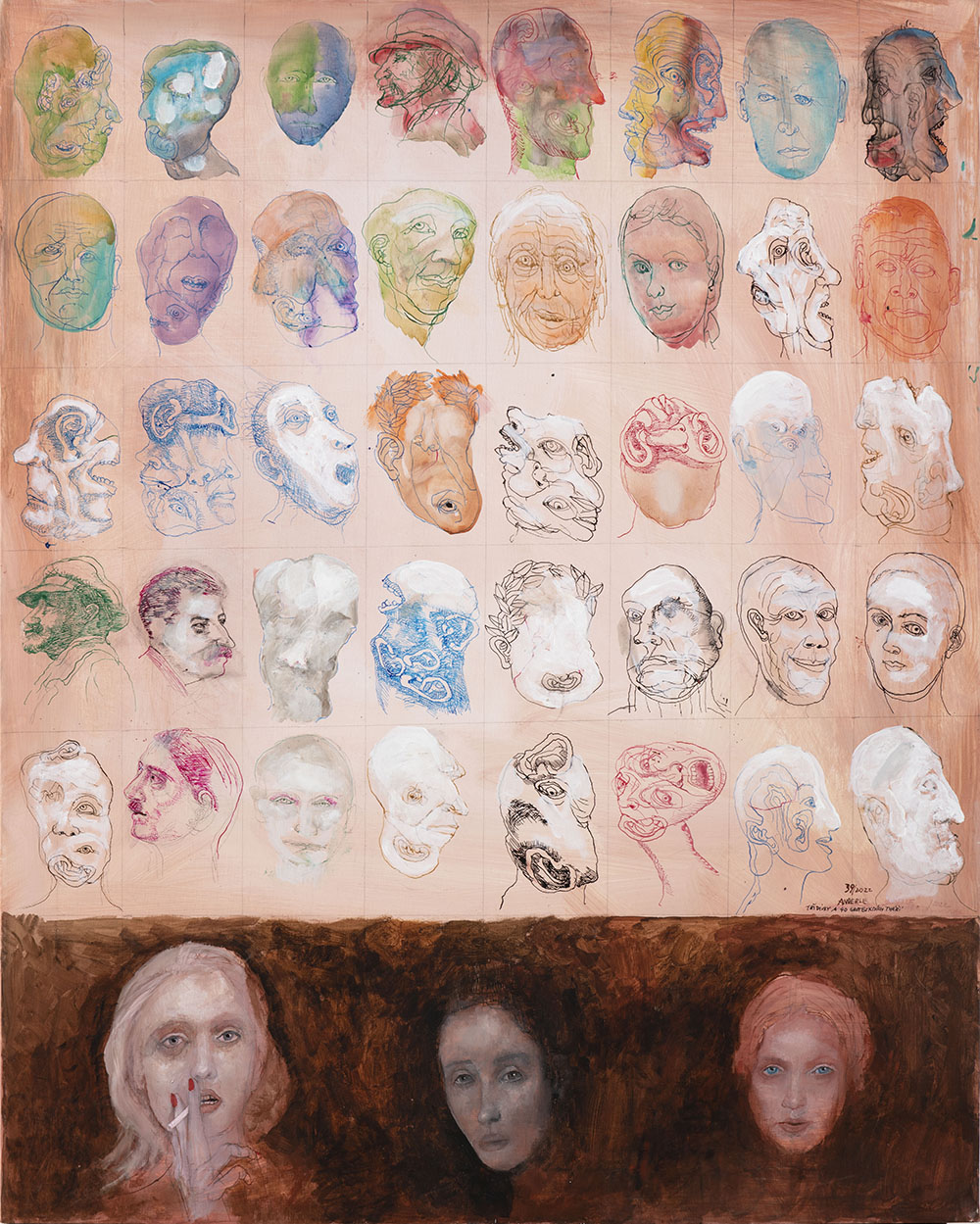
Jiří Anderle (*1936) has created over 600 prints and approximately the same number of paintings. His new cycle, Nostalgic Poeticon, reflects a new chapter in the artist’s life following the loss of his wife. While he previously sought and found his motifs in the depths of darkness, this new body of work radiates with light. Delicate drawings of realistic faces and vibrant geometric shapes venture into a white space—one that is occasionally enriched by a wavy white relief, echoing the theoretical curvature of the universe. “And the more we remember those who have drifted away from us, the closer they draw to us once again.” One cannot help but concede to the artist’s conviction that art originates from magic. Anderle’s talents possess a truly Renaissance-like breadth, making his literary pursuits equally unsurprising. He has authored three books that remain highly sought after by readers, and is currently working on his fourth. Music has also remained an enduring presence in his life. For five years now, he has been playing the drums alongside legendary jazz musicians Viklický, Válek, Uhlíř, and Vejvoda during the Jazz Summer festival at the gallery in Pavlíkov. Moreover, for twenty-five years, tens of thousands of radio listeners have tuned in to his voice. Every Sunday evening, he shares his memories in a one-hour programme titled Láska za lásku (Love for Love). The artist has gifted this entire unique series, which Czech Radio considers a piece of national cultural heritage, to his listeners. Yet perhaps his most precious gift remains his painting—the power to enrich the viewer with timeless art.
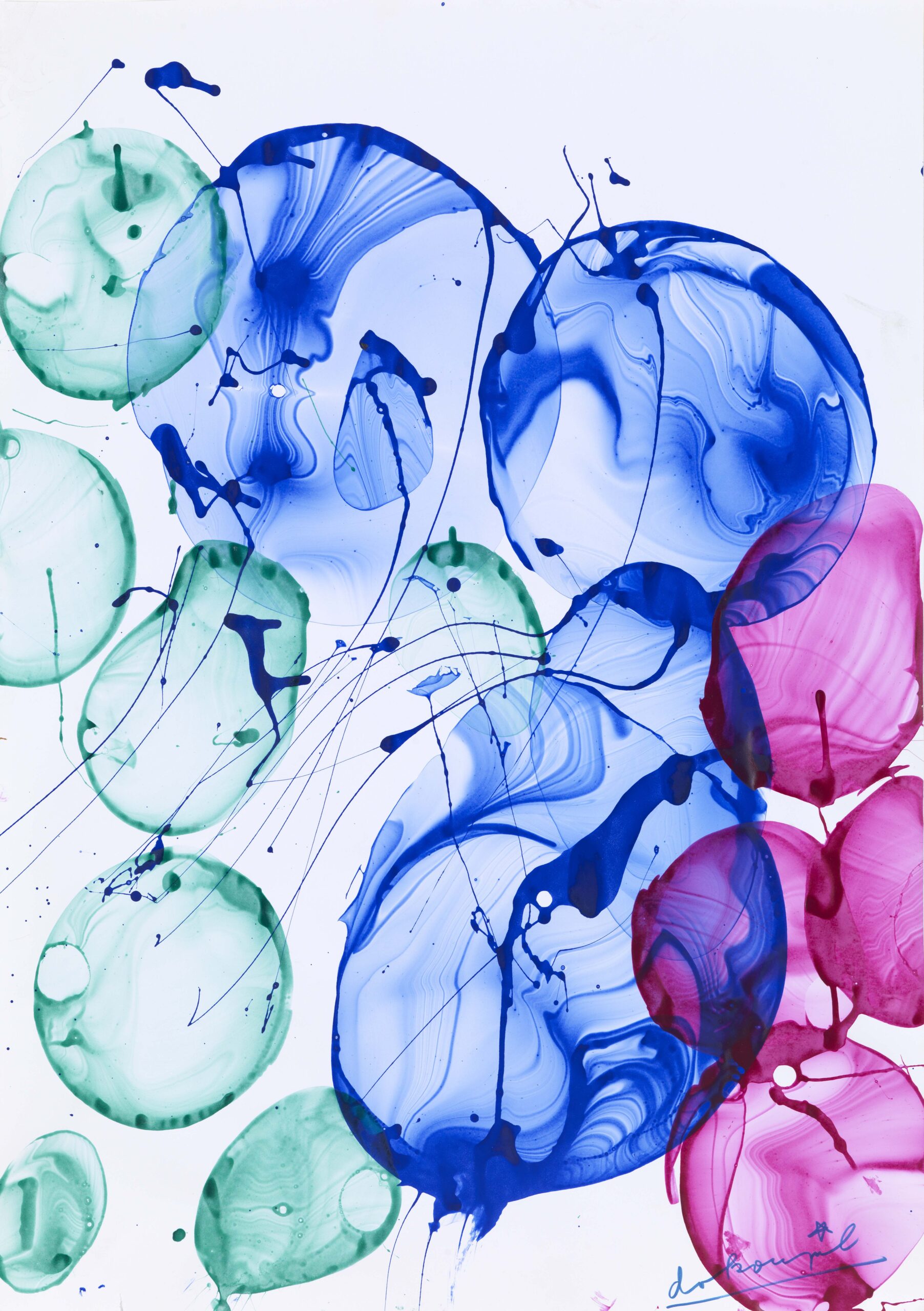
Jiří Georg Dokoupil (*1954) —a native of Krnov, a pivotal figure of the Neue Wilde movement, and an émigré to Germany after 1968—is renowned for his relentless quest to invent new painting techniques, the most compelling of which are his bubble paintings (Seifenblasenbilder). The concept struck him entirely by chance in 1992 while observing soap bubbles in a bathtub, inspiring him to formulate a special mixture of soap, water, and color pigments that leaves a permanent trace on the canvas. Renouncing the traditional brush, he utilizes metal rings to blow bubbles directly onto a horizontally laid canvas. The moment a colored bubble lands and bursts, the pigment settles into delicate, transparent circles and layers, creating fascinating organic structures and capturing the transience of a moment in a fixed form. This method perfectly illustrates Dokoupil’s rejection of a single signature style, as well as his fascination with process, where the element of chance and chemical reactions play a fundamental role.
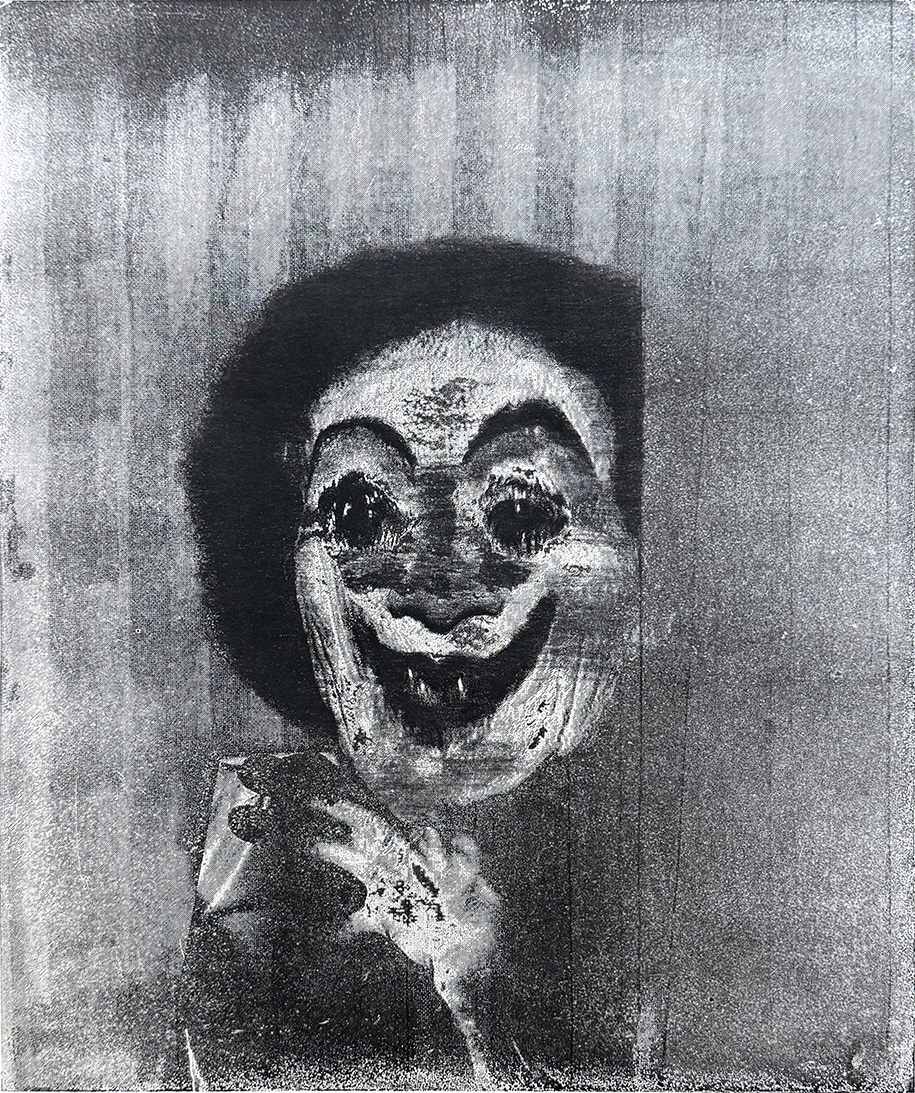
In the context of contemporary Central European painting, Martin Gerboc (*1971) represents a unique and radical contribution to the tradition of figural expression. His aesthetic deliberately deconstructs classical ideals of beauty, replacing them with a raw, almost brutal reflection of human existence. Operating on the threshold between decadence and existentialism, Gerboc transforms his canvases into stages for theatrical scenes fraught with violence, sexuality, political symbols, and pop-culture citations. A defining characteristic of his painterly style is the dynamic combination of spontaneous brushwork and precise detail, frequently augmented by textual fragments that heighten the narrative unrest of the work. The artist‘s mastery of black tones and deep shadows evokes Baroque chiaroscuro; however, under his brush, this element takes on a dimension of postmodern anxiety. Gerboc’s work is far from mere provocation; it is a profound intellectual probe into the dark recesses of the collective unconscious, confronting the viewer with taboo themes of power, decay, and the moral ambivalence of the contemporary world. His paintings thus form a fascinating, albeit unsettling, visual encyclopedia of human catharsis.
For art lovers and collectors alike, Galerie MIRO is a place where top-tier contemporary art meets world classics. The gallery has a long-standing tradition of showcasing works created by exceptional artists and hosting exhibitions of their oeuvre. The pieces by these authors offer not only aesthetic value, but also strong potential for art investment.
Visit the upcoming exhibitions at Galerie MIRO, discover captivating paintings, and invest in works that possess lasting value and a compelling story.
Partner of the Exhibition: